📄 Poster Presentation at Spoke 9 Congress - AI-Augmented Delphi
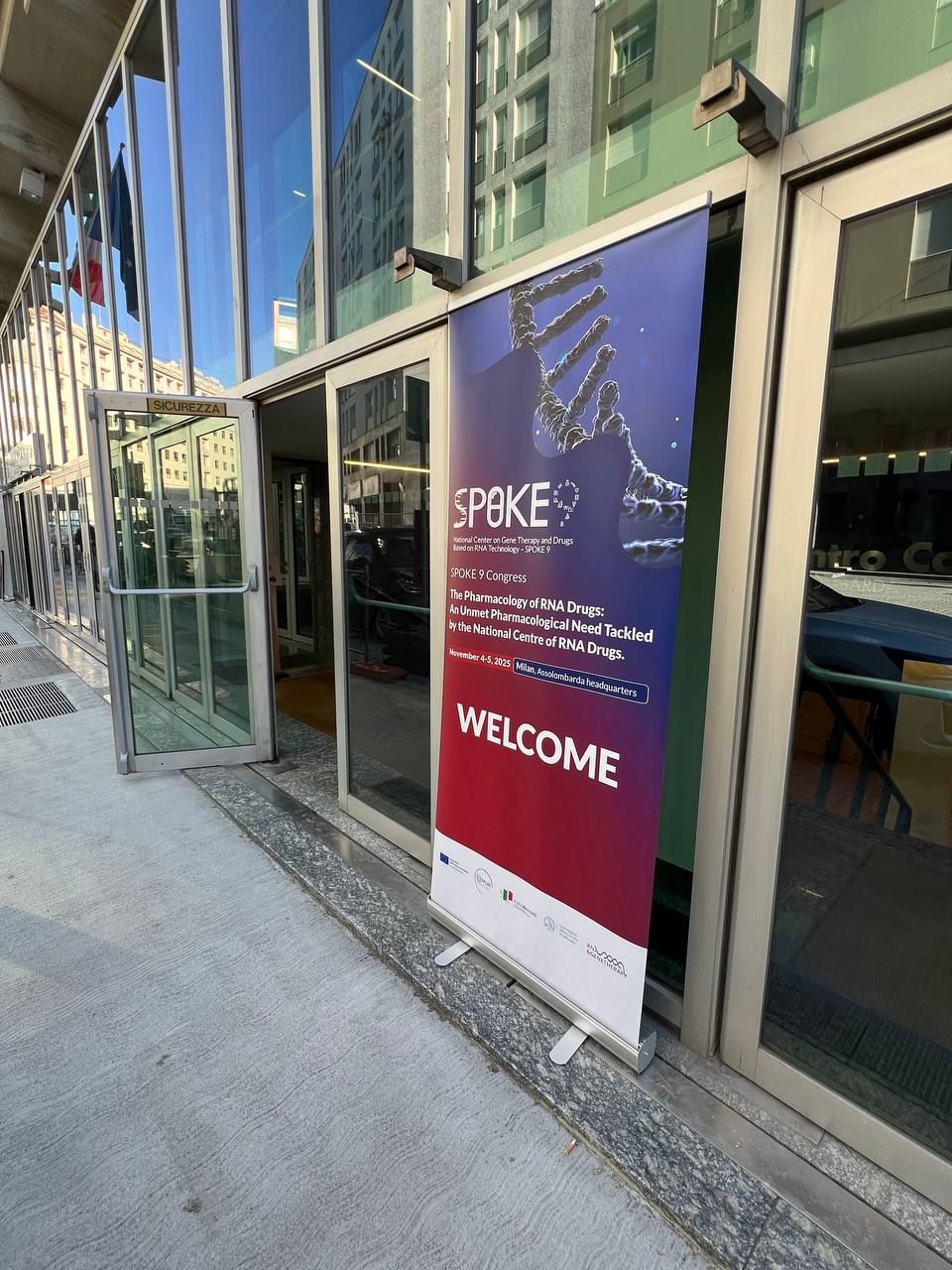
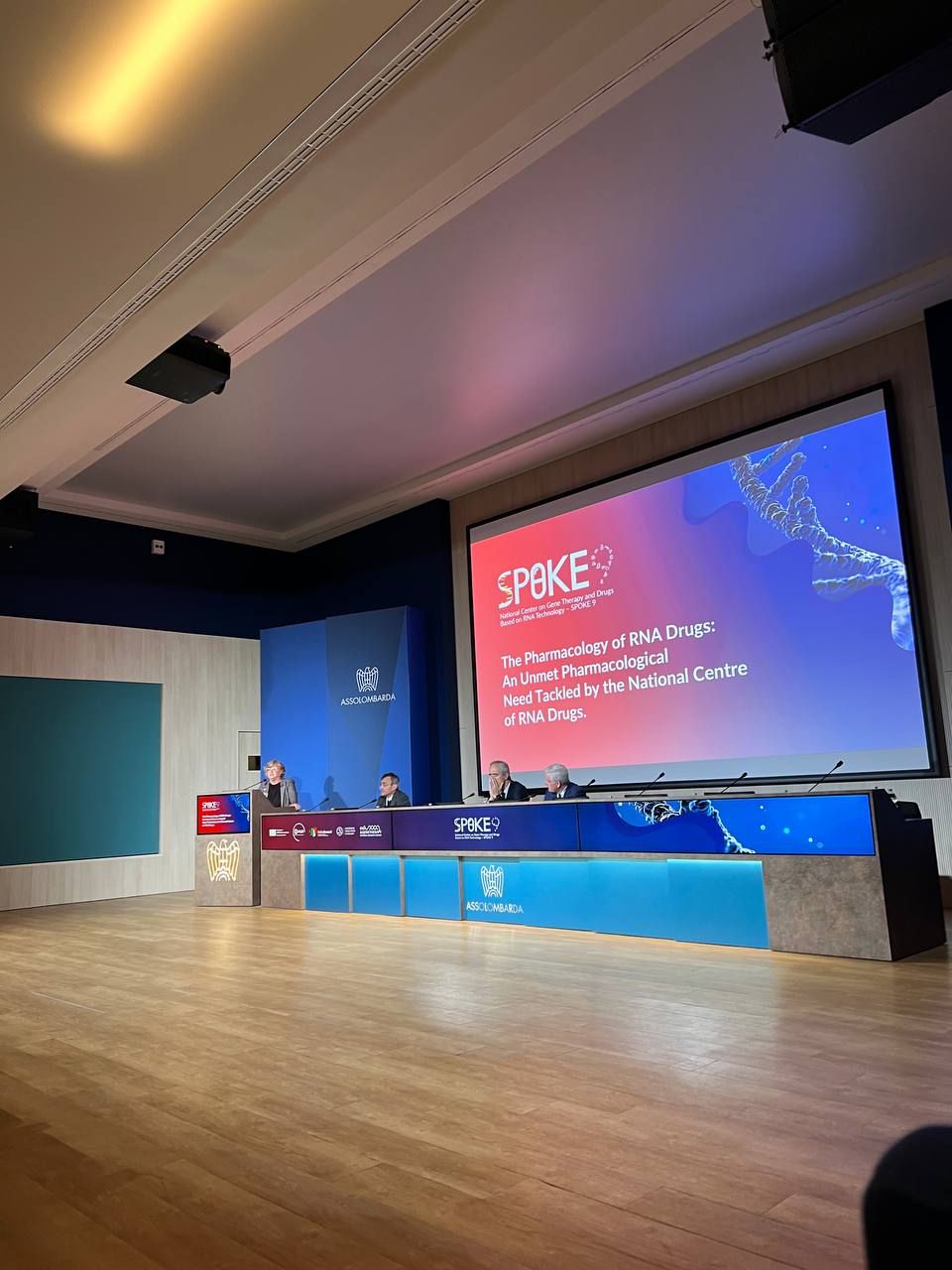
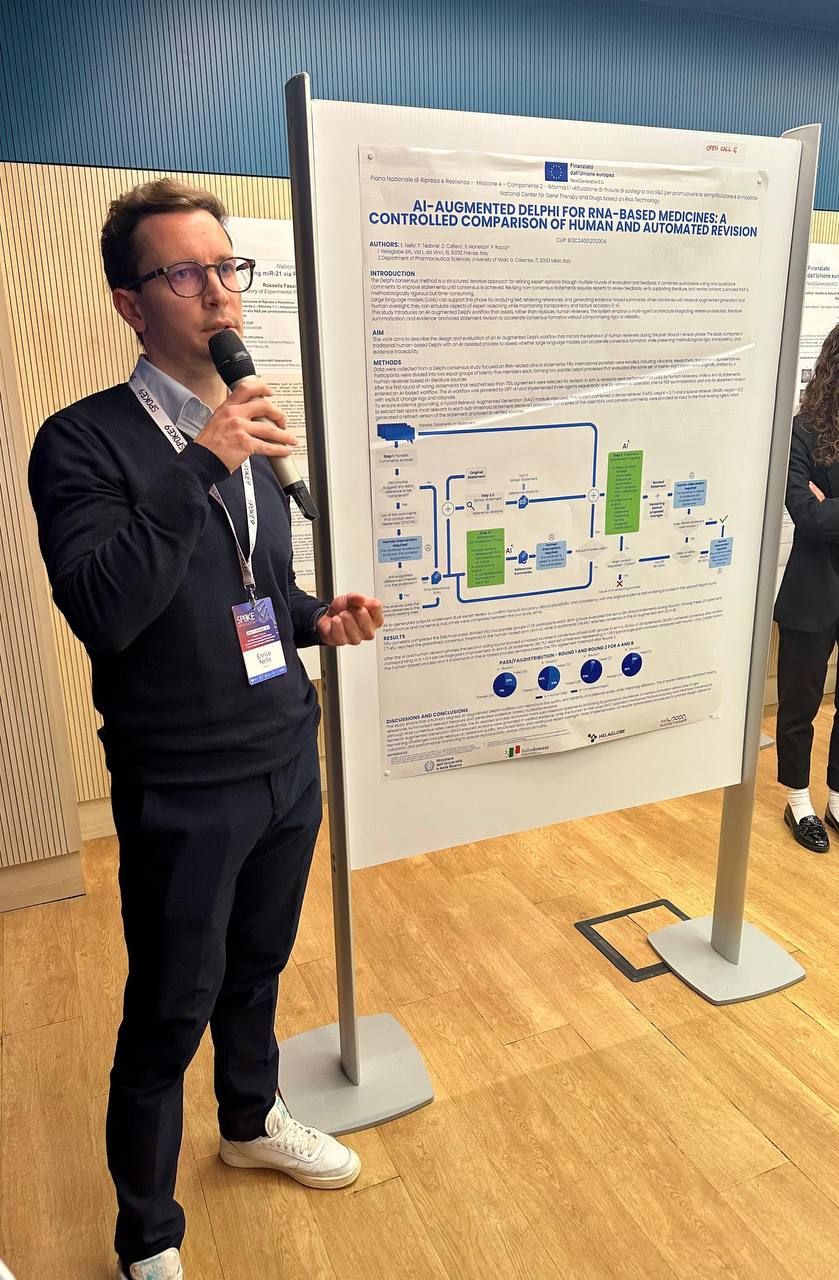
our work “AI-Augmented Delphi: Design and Evaluation of a Human-Aligned LLM Workflow for Accelerating Consensus” was selected for a poster presentation at the Spoke 9 Congress — “The Pharmacology of RNA Drugs: an Unmet Pharmacological Need Tackled by the National Centre of RNA Drugs”, held in Milan on November 4–5, 2025 at the beautiful Assolombarda center.
🎯 The Work
developed at Helaglobe, the study introduces an AI-assisted workflow for the Delphi consensus process, applied to the field of RNA-based therapeutics — a fast-growing area that brings both exciting opportunities and new regulatory and safety challenges.
what is the Delphi consensus method?
- a panel of experts independently rates a set of statements
- results are aggregated and shared with the group
- statements that don’t reach agreement are revised and re-evaluated in successive rounds
- widely used in clinical guidelines, medical research, and policy
- the bottleneck: the revision phase is slow and demanding — experts must review feedback, verify literature, and rewrite statements by hand
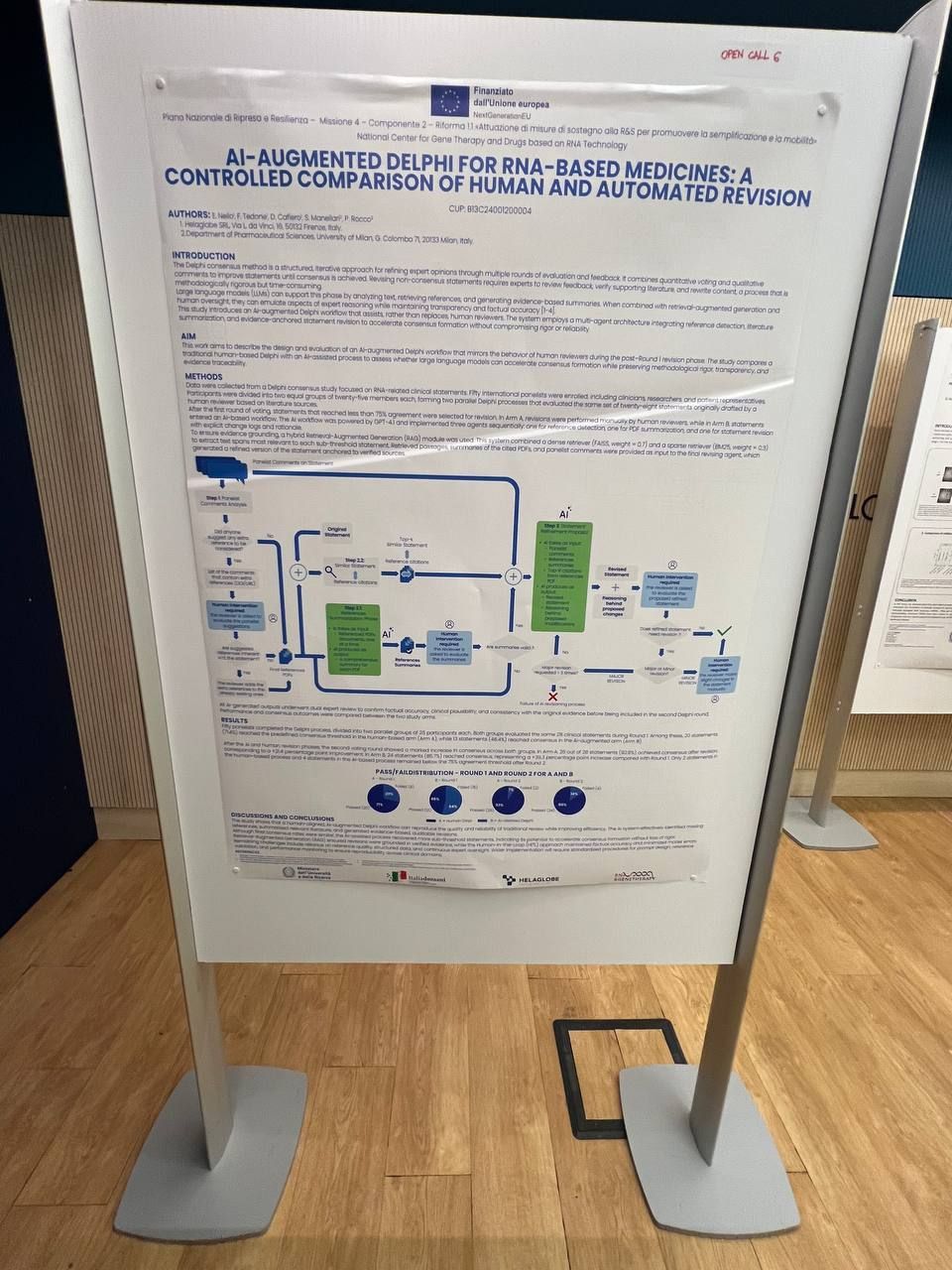
the core question we set out to answer: can a multi-agent AI system replicate the quality of human expert revision in a Delphi process, while accelerating consensus formation?
🧪 Methods
fifty international panelists — clinicians, researchers, and patient representatives — were split into two parallel groups of 25, each evaluating the same 28 clinical statements in a controlled Delphi process:
- arm A — traditional human-led revision
- arm B — AI-assisted revision under expert supervision
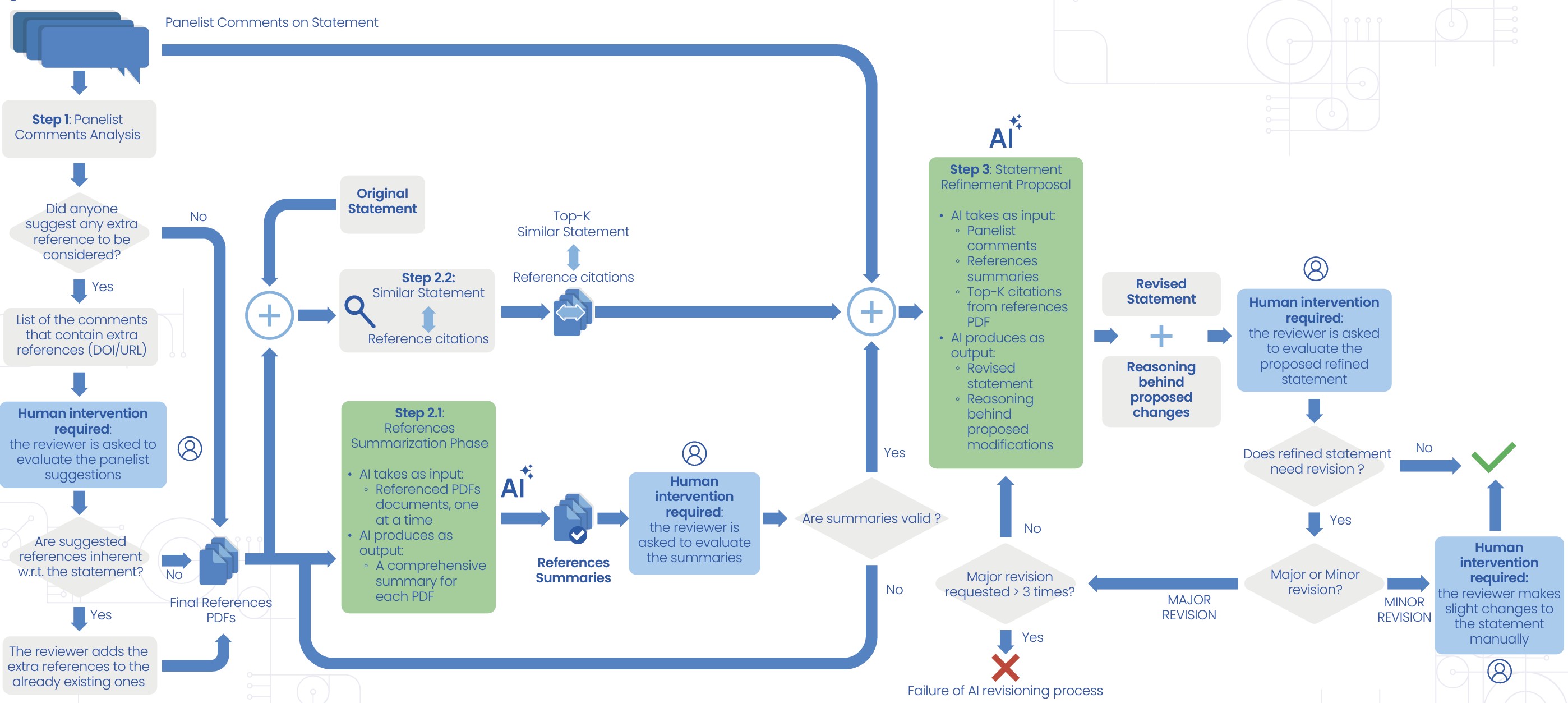
after round 1, statements that failed to reach the 75% agreement threshold were selected for revision. in arm B, the AI workflow — powered by GPT-4.1 — ran three sequential agents:
- reference detection agent — identifies missing or relevant citations
- PDF summarization agent — extracts and summarizes supporting literature
- statement revision agent — generates evidence-anchored rewrites with explicit change logs and rationale
to ensure evidence grounding, a hybrid RAG module combined a dense retriever (FAISS, weight 0.7) and a sparse retriever (BM25, weight 0.3). all AI-generated outputs underwent dual expert review before entering round 2 — a human-in-the-loop approach to maintain factual accuracy and clinical plausibility.
📊 Results
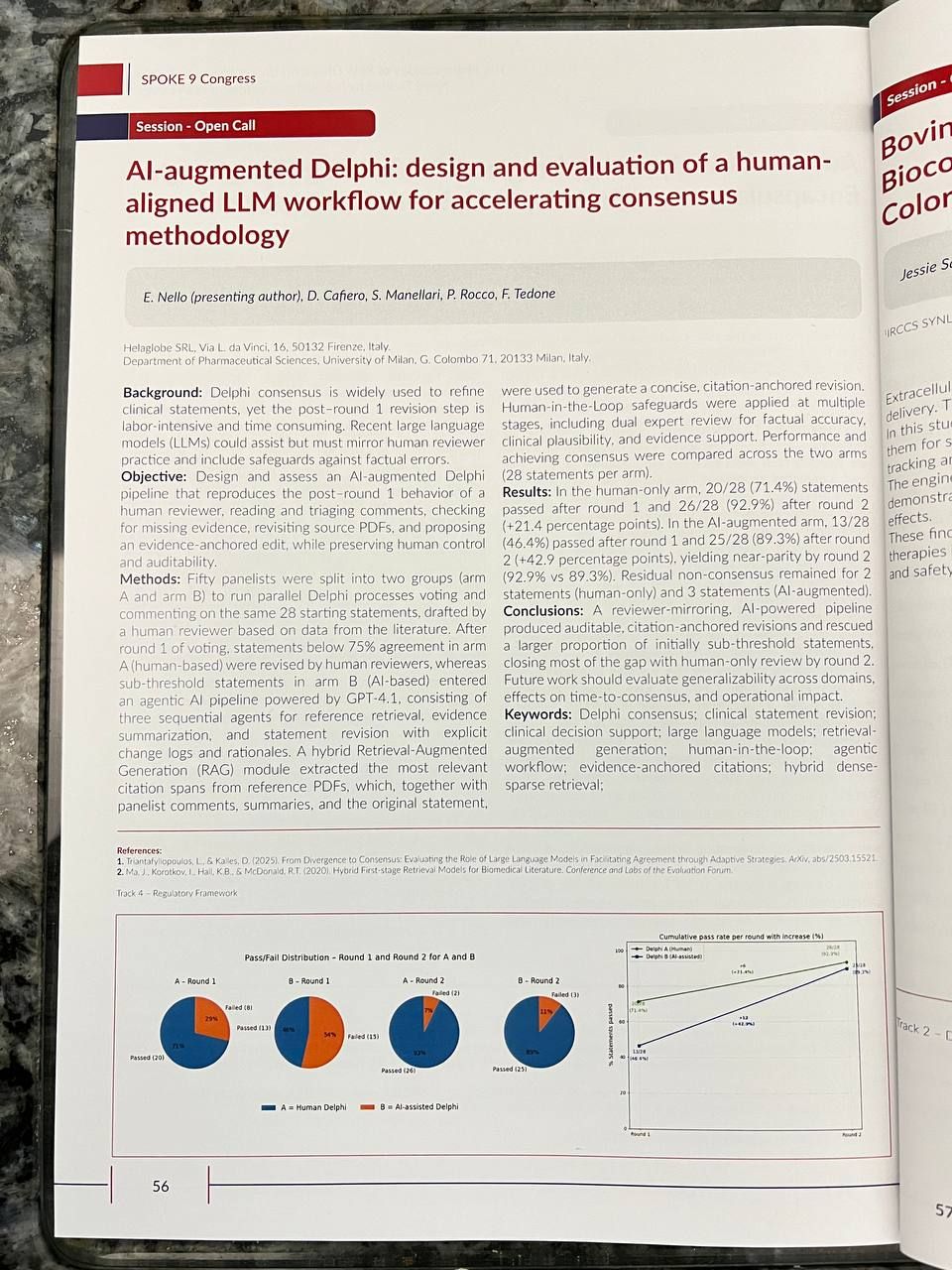
| round 1 consensus | round 2 consensus | improvement | |
|---|---|---|---|
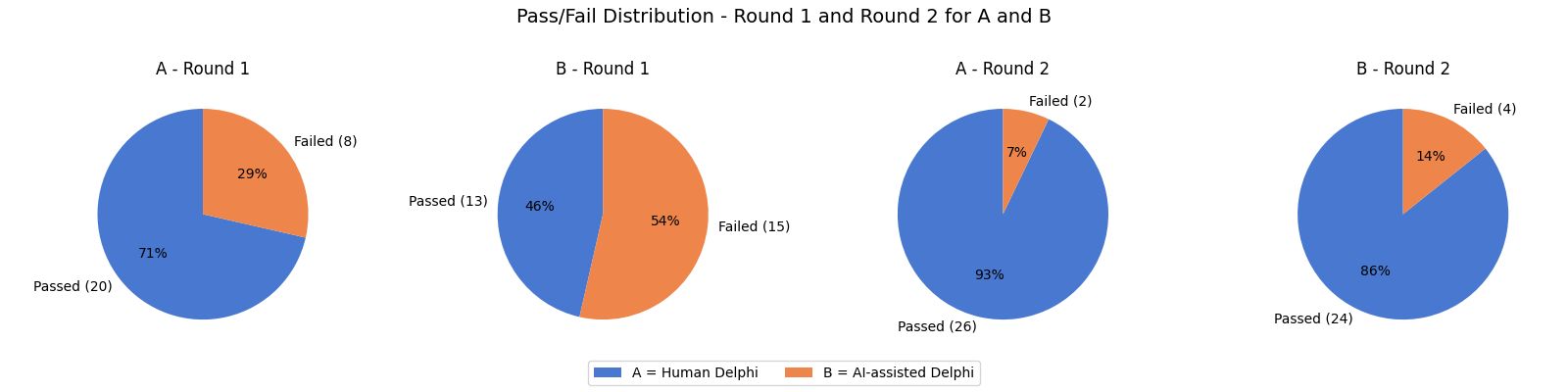
| arm A — human Delphi | 71% (20/28) | 93% (26/28) | +21.4 pp |
| arm B — AI-assisted Delphi | 46% (13/28) | 86% (24/28) | +39.3 pp |
the AI-assisted workflow recovered significantly more sub-threshold statements (+39.3 percentage points), closely matching expert-level performance while substantially speeding up the revision process. only 4 statements in arm B and 2 in arm A remained below threshold after round 2.
💡 Key Takeaways
- AI can closely match expert performance in structured consensus workflows when properly supervised
- retrieval-augmented generation is key: grounding revisions in verified evidence prevents hallucinations and ensures auditability
- human-in-the-loop is not optional — it’s what makes the system trustworthy and deployable in clinical settings
- the approach is domain-agnostic and could be extended to any Delphi process beyond RNA therapeutics
- remaining challenges: reference quality dependency, structured data requirements, and continuous expert oversight
🙏 Thanks
thanks to everyone who made this work possible: Davide Cafiero, Fabio Tedone, Elena Caproni, and Lucia Politi, and to the Helaglobe team.
this research was supported by the Piano Nazionale di Ripresa e Resilienza (PNRR) — within the National Center for Gene Therapy and Drugs based on RNA Technology, in collaboration with the Department of Pharmaceutical Sciences, University of Milan.
📸 Photos