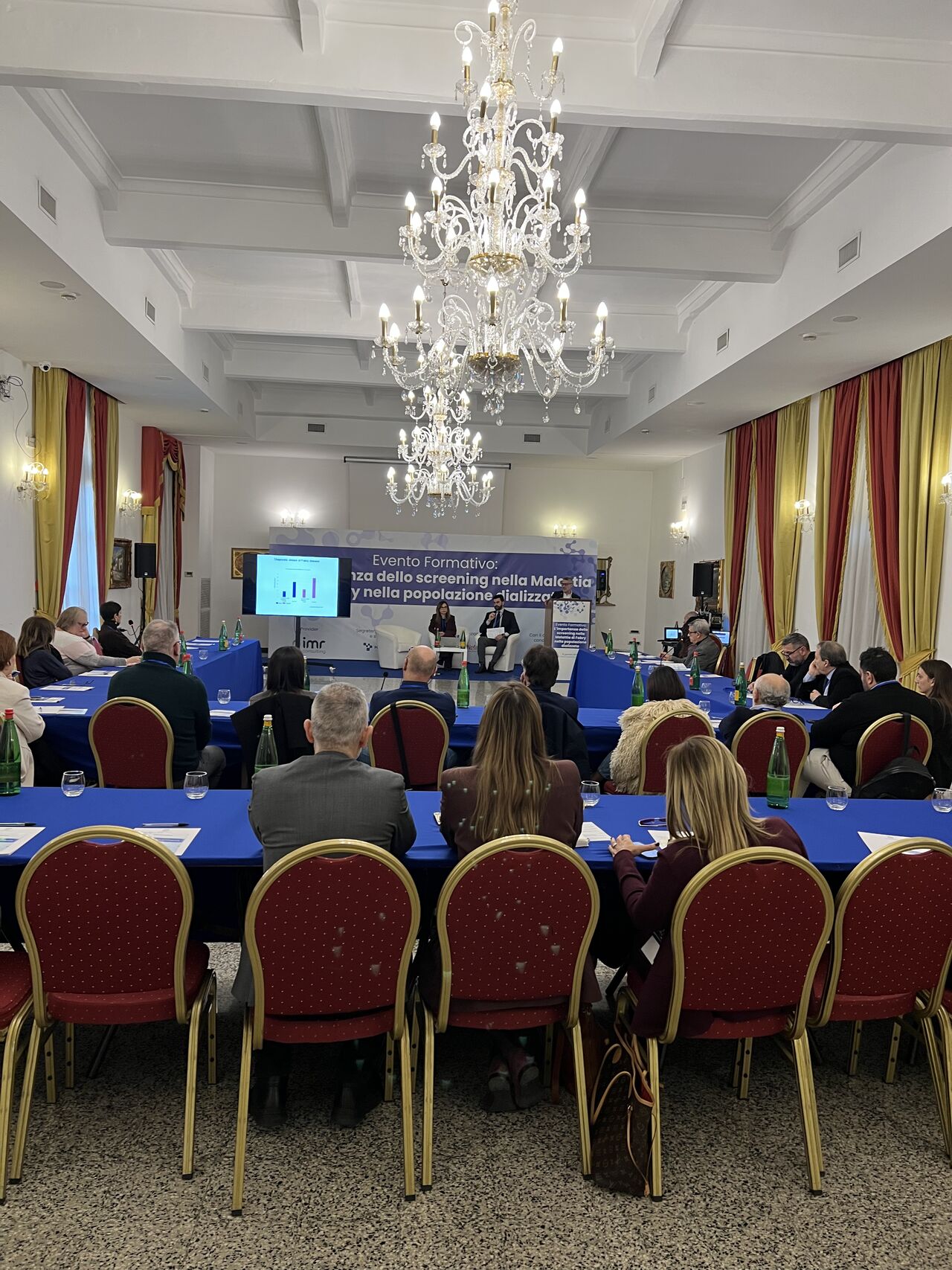
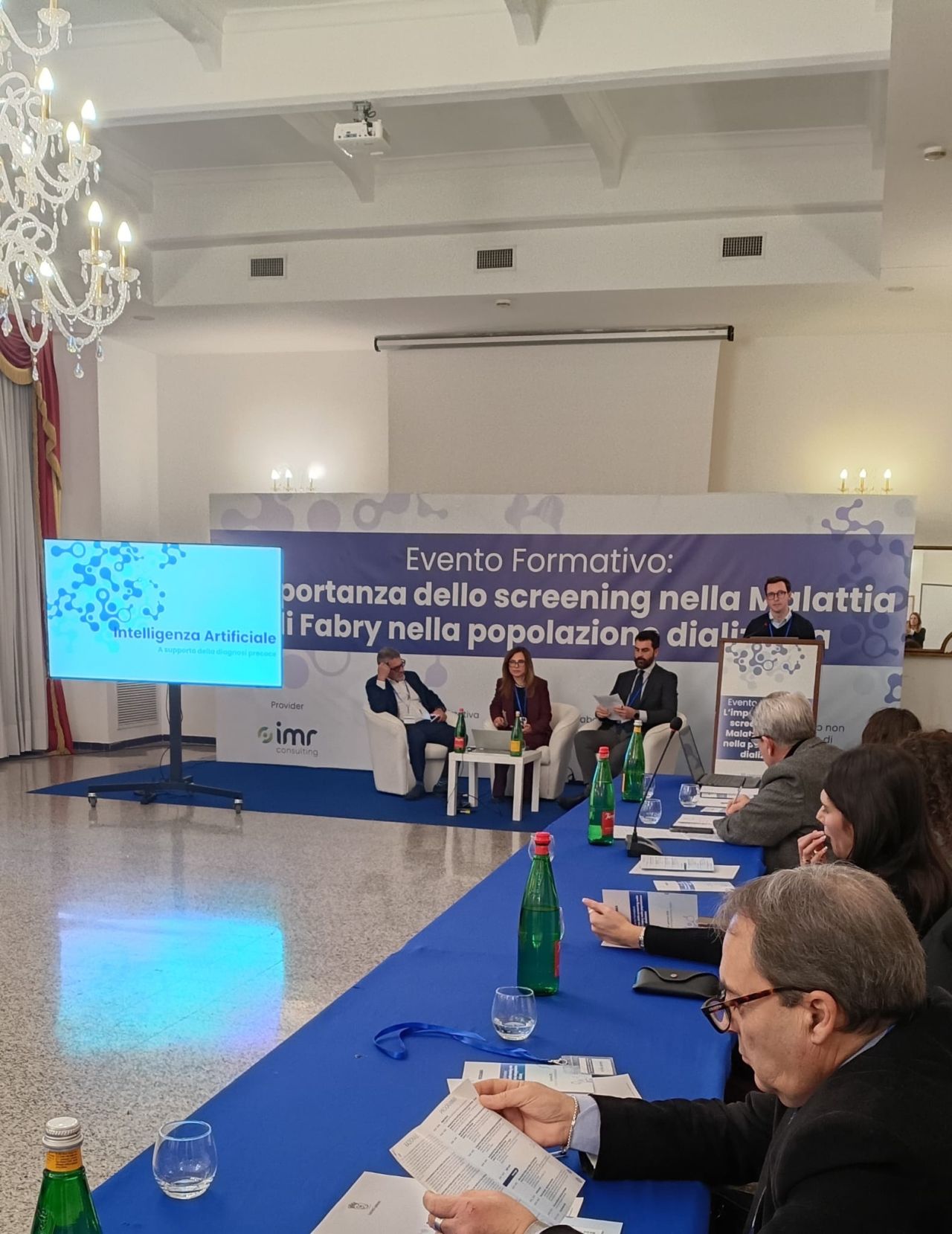
🎤 Speaking at ECM Naples - AI for Predictive Diagnosis
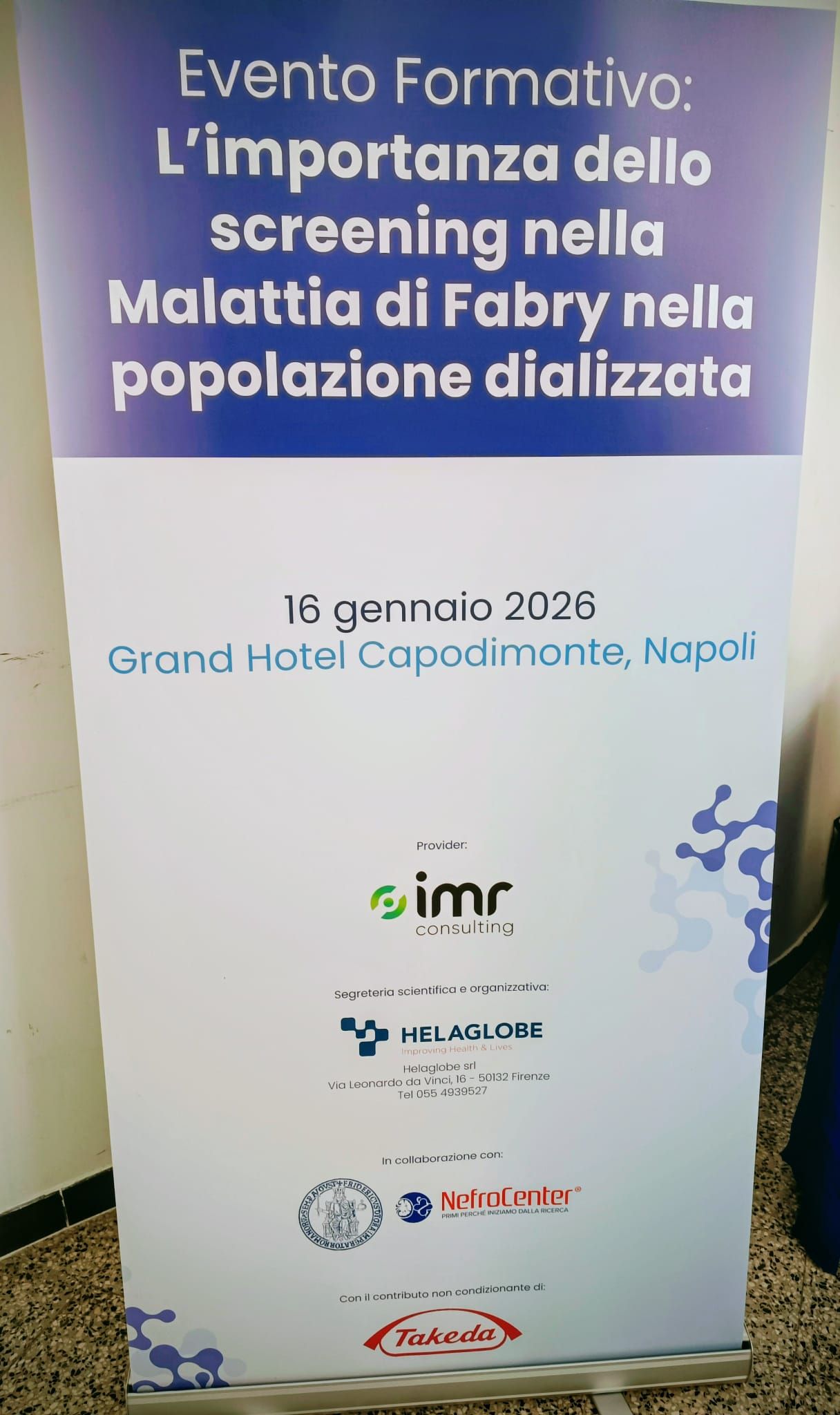
on january 16th i had the opportunity to speak in Naples at an ECM (continuing medical education) course dedicated to the screening of Fabry Disease, focusing on the role of artificial intelligence in supporting early diagnosis.
a multidisciplinary event bringing together nephrologists, biologists, nurses, and digital health experts — oriented towards innovation, data sharing, and improving care pathways.
the event was organized by Italian Medical Research and Helaglobe.
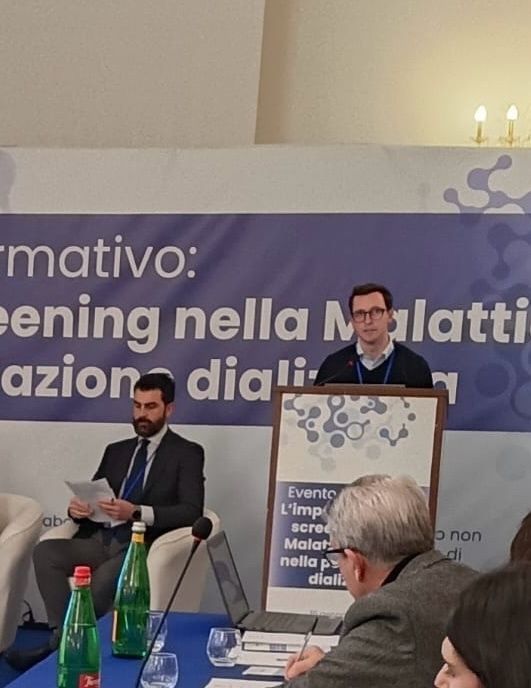
🎯 The Talk
“AI for Predictive Diagnosis”
in a rare disease, every day of diagnostic delay matters. Fabry Disease is often underdiagnosed and identified late — and one of the most pressing needs is intercepting patients as early as possible to start treatment.
my intervention focused on how AI can act as an ally in this process: predictive algorithms integrated with territorial monitoring, capable of flagging at-risk patients without replacing the clinician — augmenting their diagnostic capacity instead.
the talk also touched on the challenge of systematic screening in dialysis populations, where signals of the disease can surface but risk going unread without the right tools and workflows in place.
🗂️ What We Covered
the screening gap
why Fabry Disease is still largely missed in clinical practice, and the organizational — not just clinical — barriers that prevent timely diagnosis.
AI-driven predictive models
how machine learning algorithms can be integrated into existing workflows to identify at-risk patients from routine clinical data, enabling proactive rather than reactive diagnosis.
connecting the ecosystem
territorial dialysis centers and reference centers working together — because the challenge is as much about coordination and data sharing as it is about technology.
💡 Key Takeaways
- early diagnosis saves lives — in rare diseases like Fabry, delay directly impacts treatment outcomes
- AI doesn’t replace the clinician — it enhances their ability to catch what might otherwise be missed
- interoperability and data sharing between centers are preconditions for any AI tool to work at scale
- multidisciplinary collaboration is essential: the best algorithms are useless without clinical buy-in and workflow integration
🙏 Thanks
thanks to the whole team — Davide Cafiero, Tania Vuoso, Cinzia Diana — for making this event happen.
it was a meaningful and inspiring day, and a strong reminder of why this kind of knowledge-sharing between technologists and clinicians matters so much.
📸 Photos